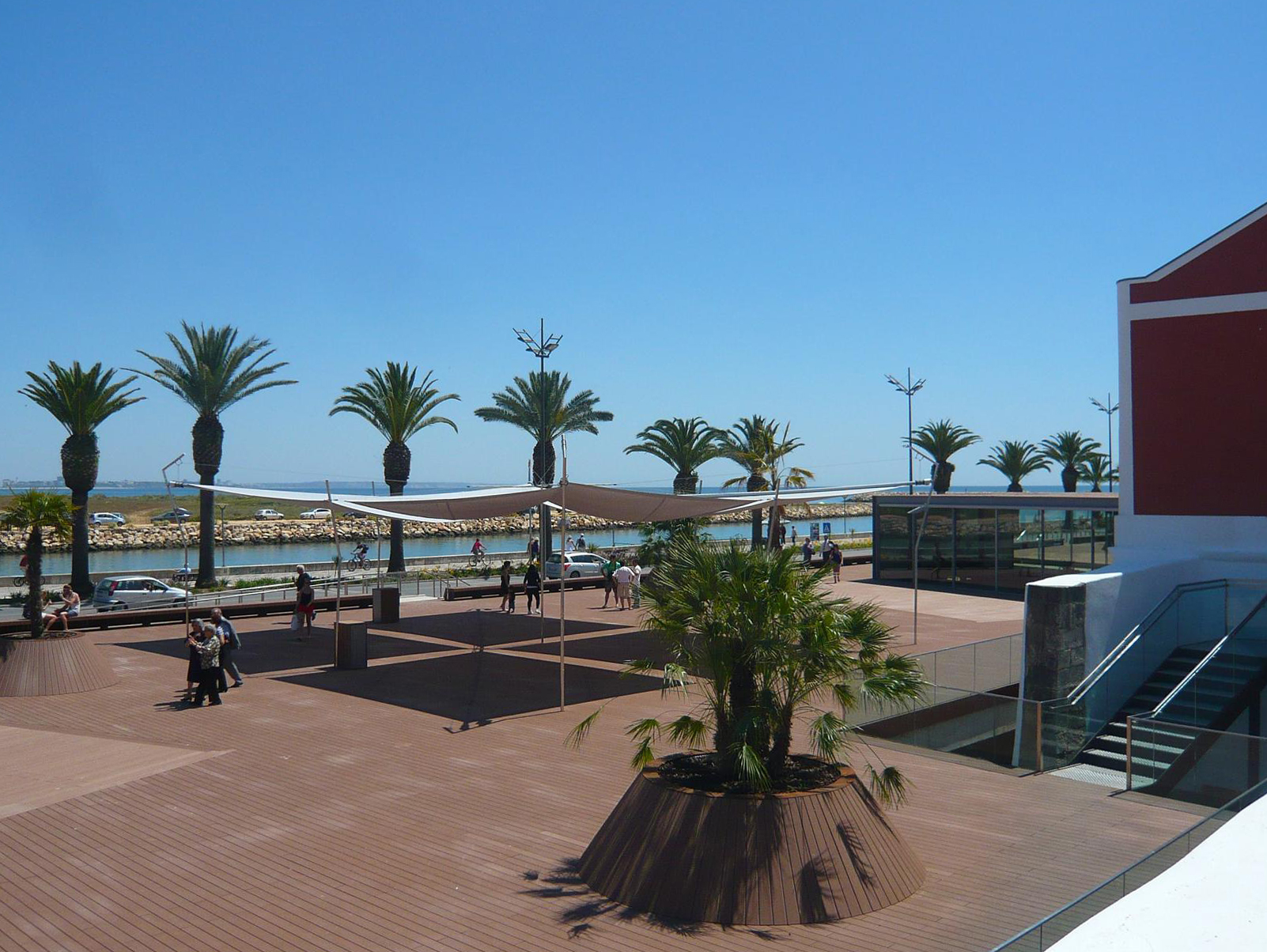
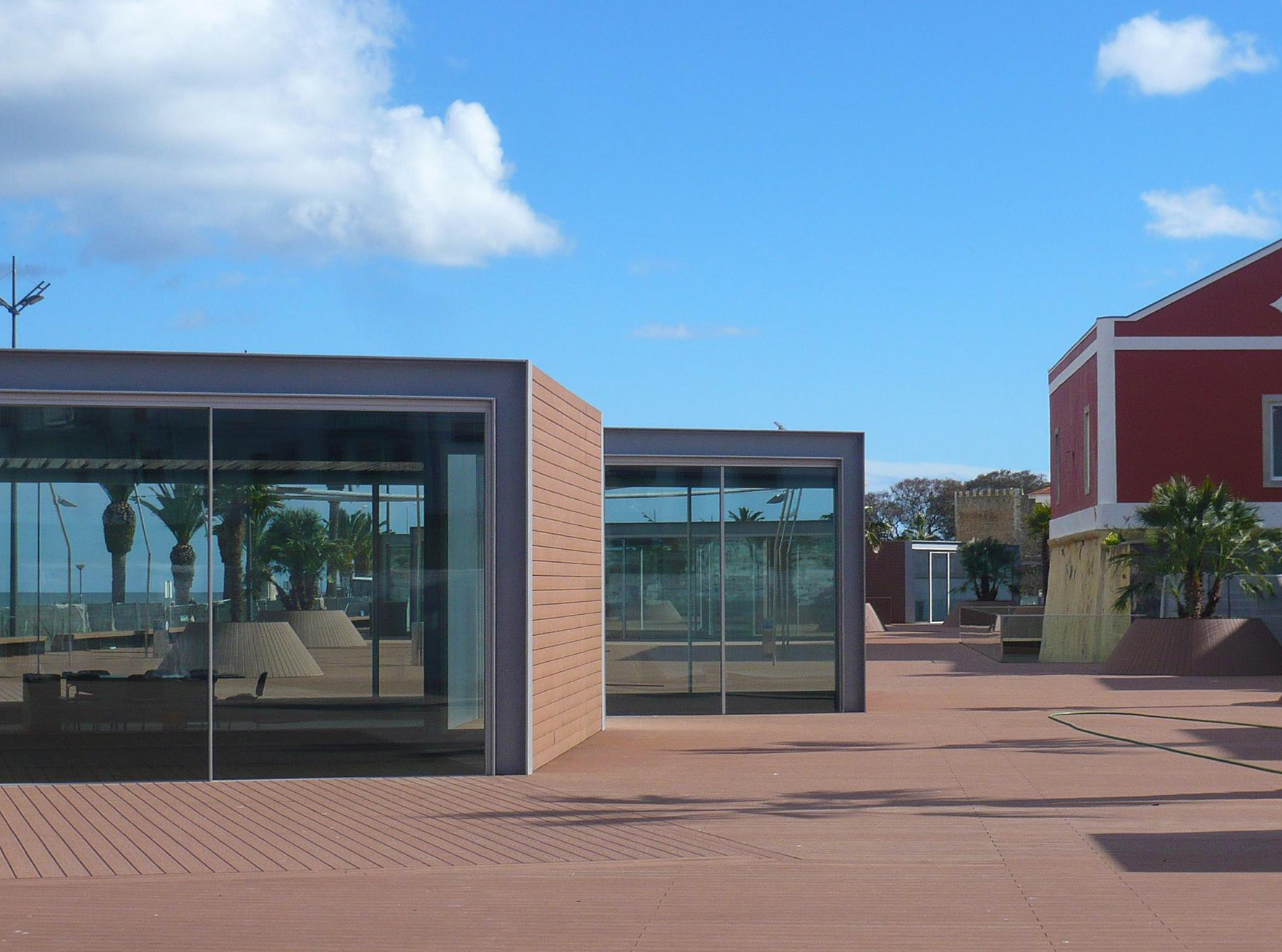
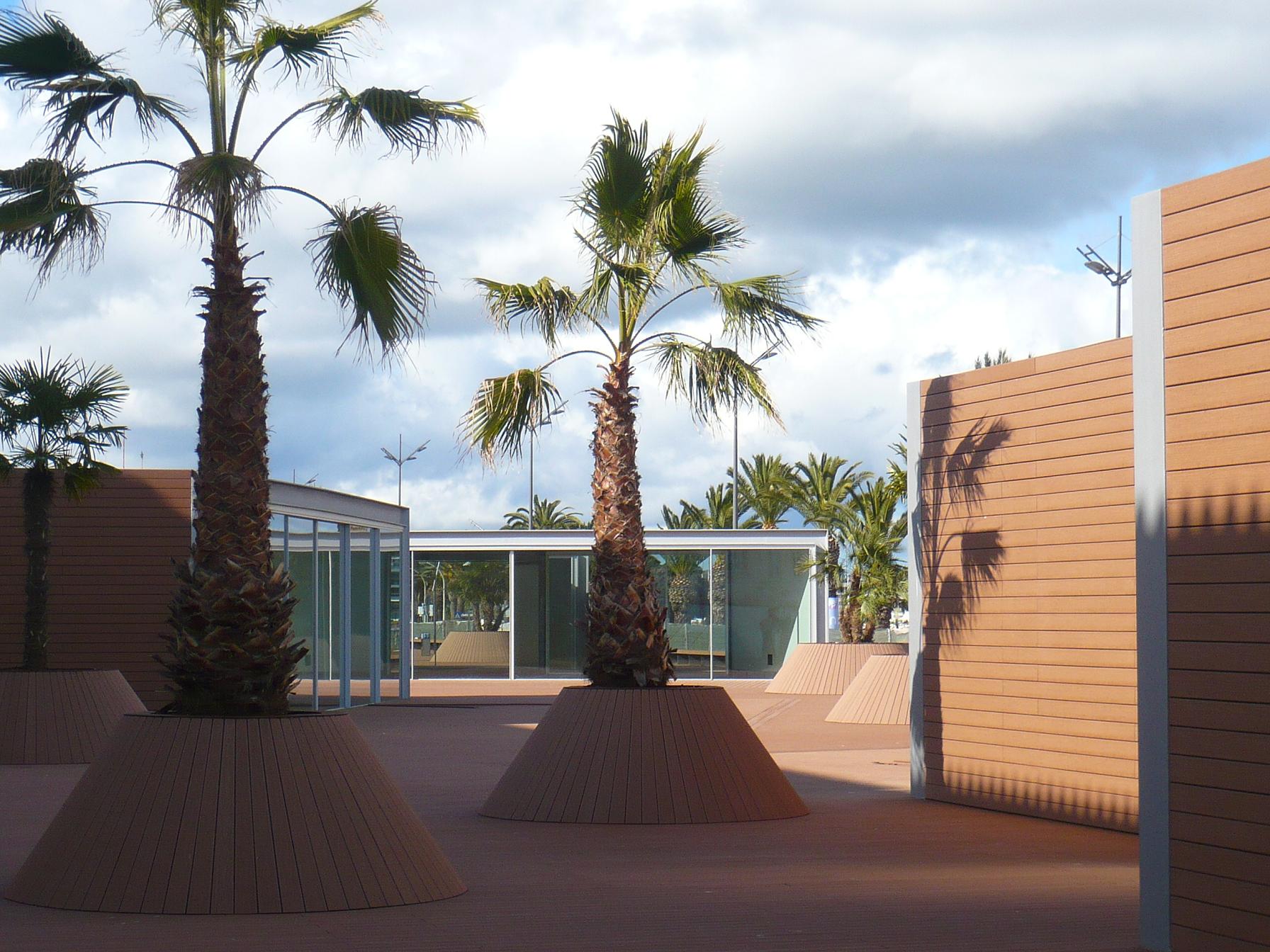
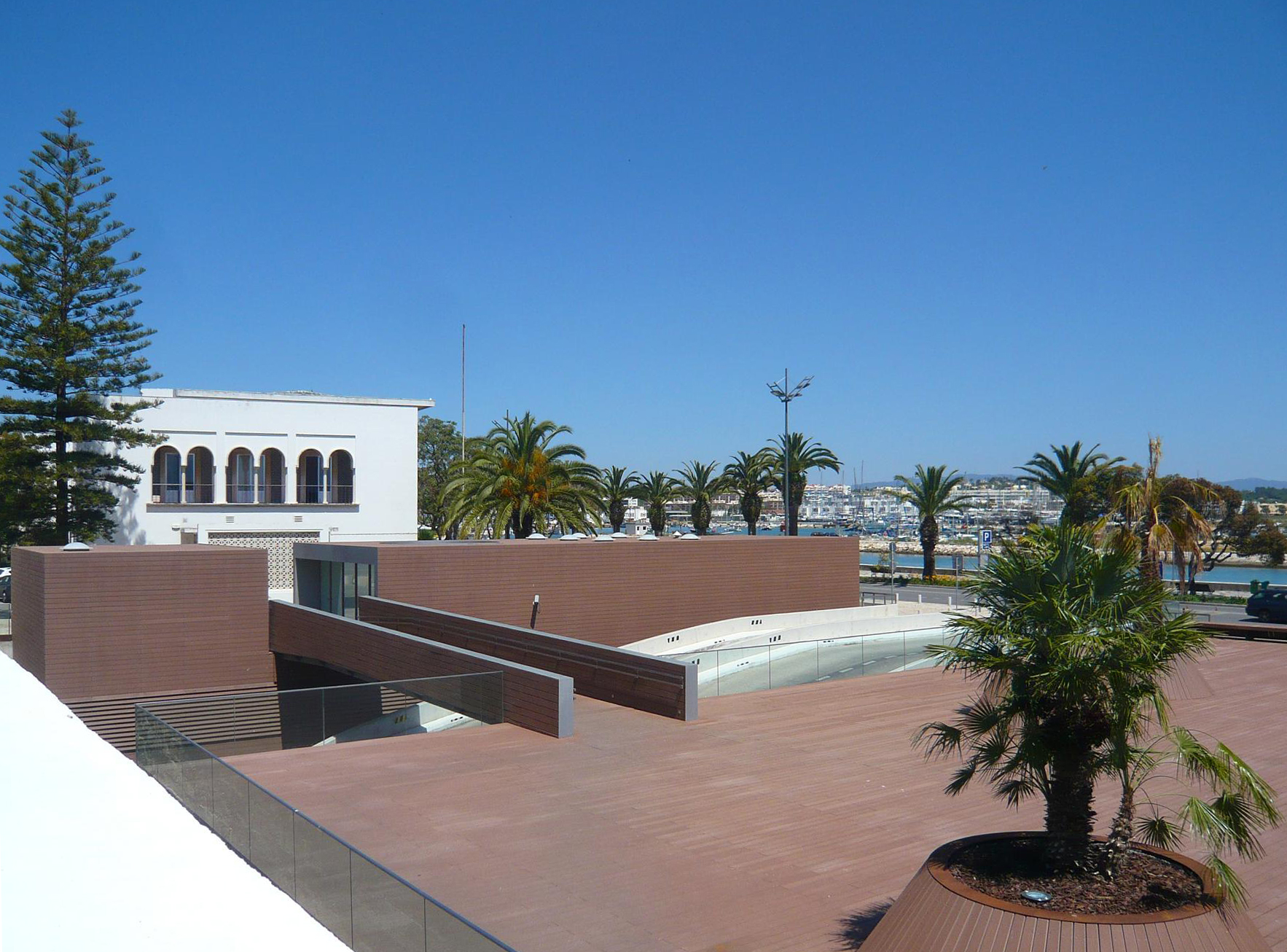
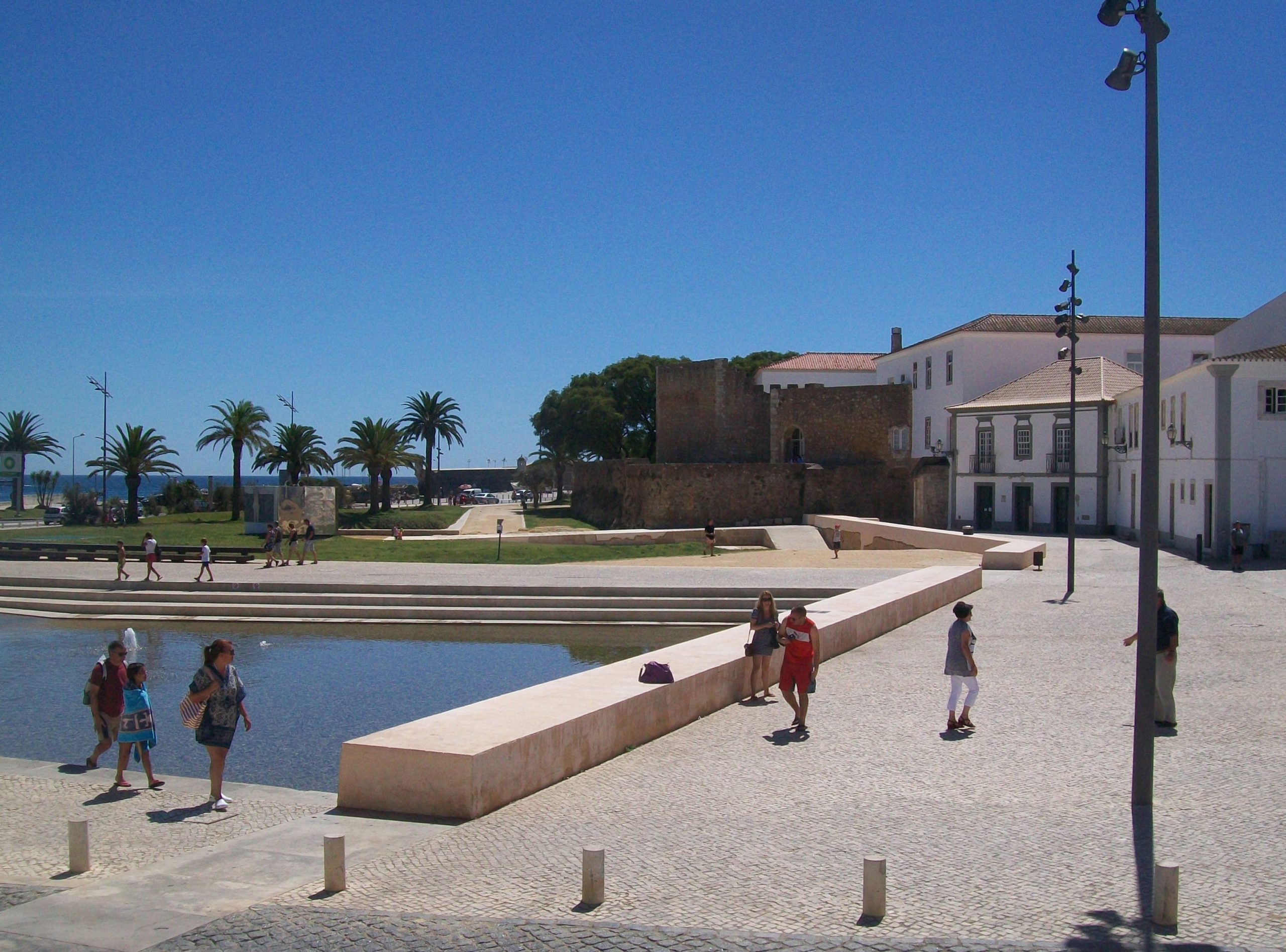
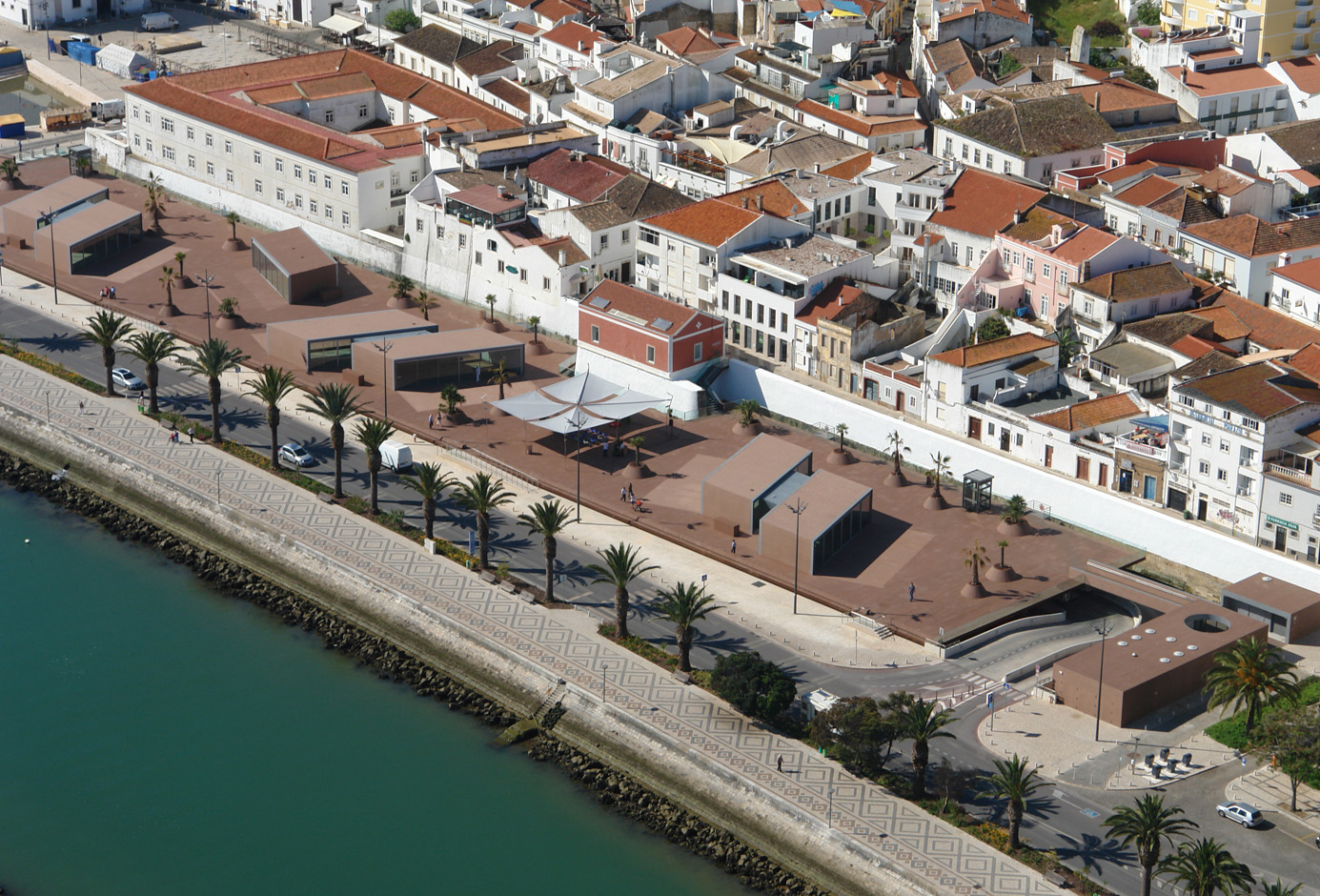
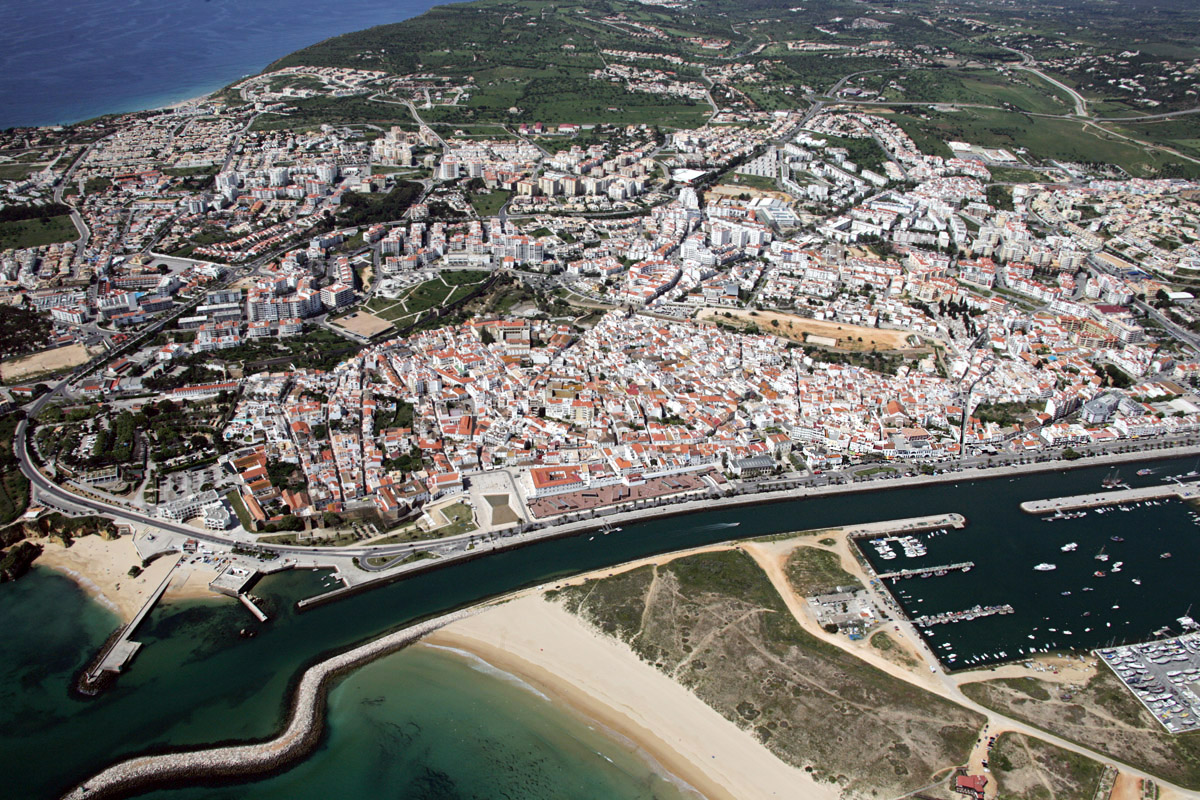
The intervention within the scope of the Polis Program in Lagos was a large-scale urban requalification and environmental enhancement operation, covering approximately 120,000 m². Its objectives were to improve public space, modernize infrastructure, and promote sustainable urban development, while respecting the city’s landscape and historical value. It included the redesign of water and electricity networks, the execution of 3,000 meters of drainage, and 37,000 m³ of excavations. Rigorous environmental protection measures were applied in coordination with the ICNF, and archaeological surveys were carried out in coordination with the DGPC, ensuring heritage preservation without compromising deadlines.
Management involved coordination with various public entities and concessionaires, reconciling existing networks and new infrastructure. In the underground car park, a specific procedure was implemented to stabilize the existing wall, using bolting, sealing, and the construction of a reinforced concrete low wall. The intervention transformed the riverfront and reinforced the city’s attractiveness as a sustainable destination. In 2023, it was distinguished with the National Sustainable Urban Requalification Award, highlighting a 35% reduction in soil impermeability, a 40% increase in green areas, a 60% improvement in the efficiency of rainwater networks, and a 25% increase in the use of public spaces.