A400’s BIM Management unit structures and protects projects through rigorous governance, coordination and validation of all project information within a unified digital environment. More than 3D modelling, it is a strategic management process that aligns design, cost, programme and performance from the earliest concept stages through to handover and beyond, ensuring that every discipline, every stakeholder and every data exchange operates within a controlled and auditable framework.
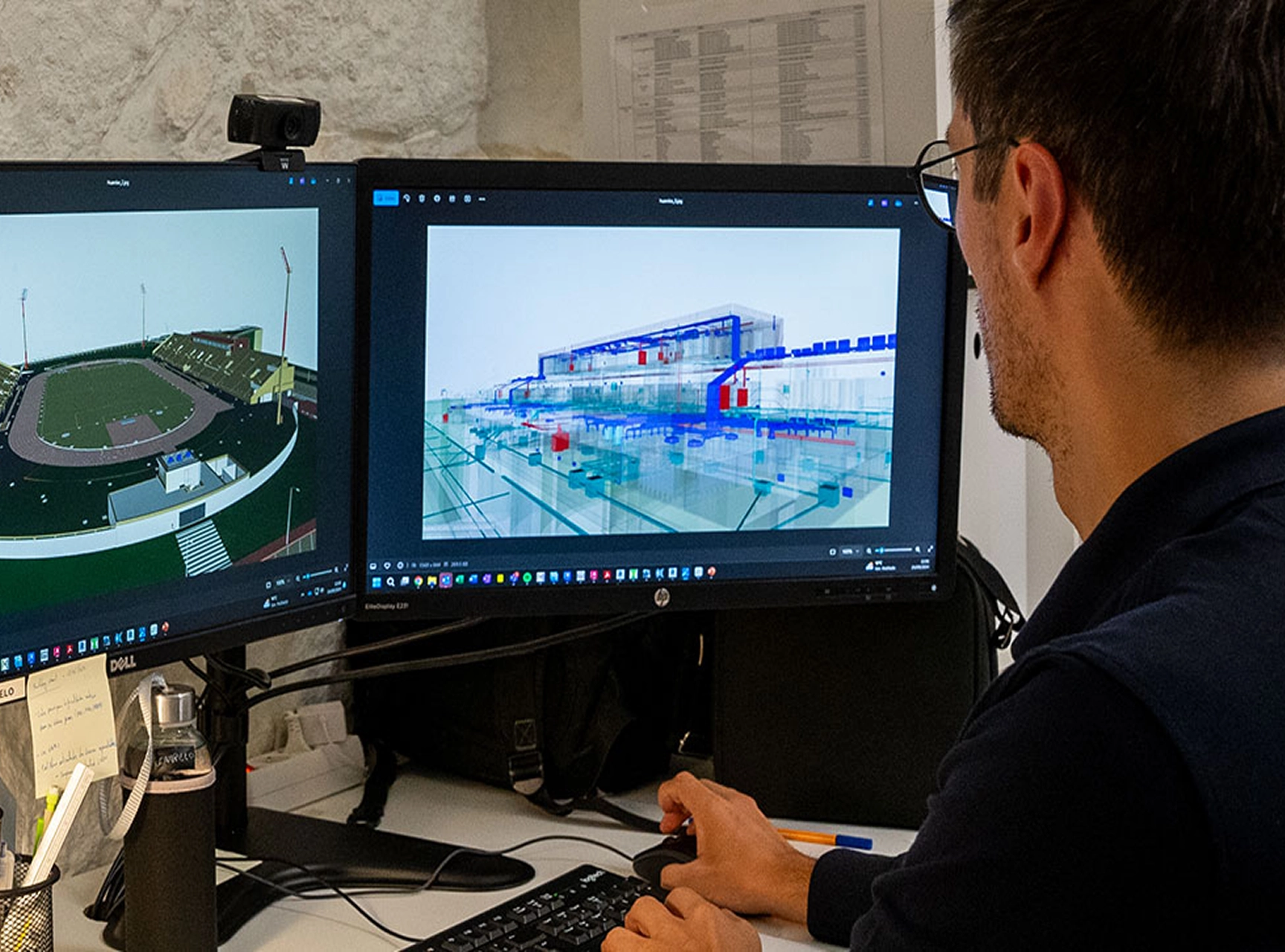
BIM Management is not a software tool or a modelling task, it is the governance layer that connects disciplines, safeguards information quality and protects project outcomes. At A400, BIM is not an add-on to the project process; it is the framework within which the entire project operates.
Applied to complex residential, mixed-use, office, hospitality, industrial and infrastructure developments, A400’s BIM Management service enables multiple disciplines and stakeholders to work within a shared data structure, reducing technical risk, preventing costly design conflicts and strengthening decision-making at every stage of the project. Learn more about the working methodologies that underpin A400’s integrated approach.
A400’s BIM Management service is applied across a broad range of project types and sectors, including:
Regardless of sector or scale, the underlying principle is the same: a structured, governed BIM environment that protects information quality and project outcomes from first design to final handover. A400’s full range of engineering services supports clients across all of these typologies.
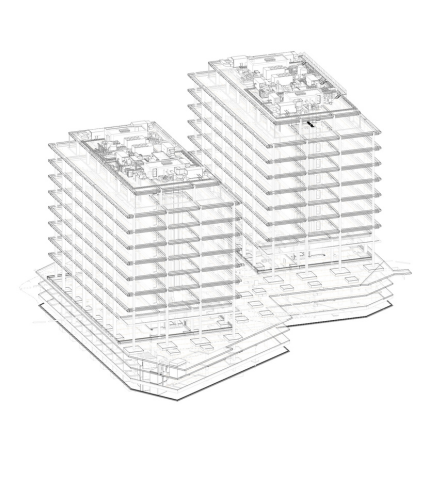
A400 embeds BIM Management from the earliest design stages, ideally at concept phase, establishing a shared information structure before design complexity escalates and before the cost of change becomes prohibitive.
The company’s team leads structured coordination cycles, controlled model exchanges and information audits, ensuring synchronised, version-controlled collaboration between architects, engineers, contractors and operators throughout the project life cycle. Tools and automation plugins developed by A400 significantly improve model validation, parameter standardisation and audit efficiency.
Through systematic risk identification, clash prevention and information quality control, A400 substantially reduces rework, delays and uncertainty, protecting both construction delivery and long-term asset performance. This commitment to quality and process maturity is reflected in the certifications A400 holds across its service areas.
More information. More coordination. More control. Better-informed decisions.
A400 defines project-specific BIM execution strategies, information requirements and coordination protocols aligned with client objectives, regulatory demands and asset life cycle needs. This governance structure is established before design complexity escalates, ensuring that every project begins with a clear, shared information framework.
The company establishes modelling standards, structured data requirements and controlled workflows to ensure consistent, reliable and auditable information across all disciplines. This standardisation eliminates ambiguity, reduces version conflicts and provides a single source of truth for all project stakeholders.
A400 leads multidisciplinary coordination cycles, runs systematic clash detection and rule-based model validation, and drives issue resolution before construction impact occurs. This proactive approach protects the programme, reduces rework and ensures that construction documents reflect a fully coordinated, conflict-free design. Browse the A400 project portfolio to see how this approach has been applied across schemes of varying scale and complexity.
A400 leverages the BIM environment for quantity take-offs, cost monitoring, performance simulations and facility management preparation, transforming raw project data into strategic insight that supports better decisions at every project milestone.